


 NECKLACES

 Shop now, pay later
Sunstone (sun sitara)
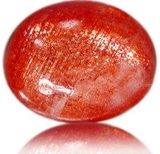
Sunstone (sun sitara) is a feldspar mineral prized for its aventurescence — a metallic shimmer caused by light reflecting off copper, hematite, or goethite platelets suspended within the crystal. The stone belongs to the plagioclase and orthoclase feldspar groups, with a chemical composition of (Ca,Na)((Al,Si)2Si2O8) in the plagioclase variety. Colors range from pale yellow and peach to deep red-brown and orange, with the finest specimens showing a glittering "schiller" effect when turned under light.
Origin and Key Properties of Sunstone (sun sitara)
The most significant deposits are found in Oregon, USA, where the Ponderosa and Dust Devil mines produce gem-quality material in red, green, and bi-color varieties — Oregon sunstone was designated the state gemstone in 1987. Other commercial sources include Tanzania, India, Norway (the Tvedestrand deposit has been mined since the 18th century), Russia, Canada, and Madagascar. Indian sunstone, often marketed under the trade name sun sitara, is typically the red-brown aventurescent variety with hematite inclusions.
Sunstone measures 6 to 6.5 on the Mohs hardness scale, placing it below quartz but suitable for most jewelry applications with reasonable care. It shows a vitreous luster, ranges from transparent to opaque, and has a specific gravity of about 2.62 to 2.65. Cleavage is perfect in two directions, which means rough handling can cause chipping along those planes.
Natural Oregon sunstone is usually sold untreated — this is a selling point for the material. Some sunstone on the market, particularly red and green "Tibetan" or "Congo" sunstone, has been diffusion-treated with copper to enhance color; reputable dealers disclose this. Lower-grade Indian sun sitara is generally natural, with color and schiller determined by the density of hematite platelets.
Sunstone in Sterling Silver Jewelry
Opaque and translucent sunstone is typically cut as cabochons to showcase the schiller effect, while transparent Oregon material is faceted into rounds, ovals, and cushions. Raw and tumbled pieces appear in wire-wrapped pendants and beaded strands. Sterling silver (.925) suits sunstone well because the cool white metal frames the warm red-orange body color without competing with it, and the neutral setting lets the internal glitter register clearly under light.
At SilverRush Style, sunstone (sun sitara) jewelry generally falls between $25 and $120, depending on carat weight, silverwork, and whether the piece uses a single cabochon or multiple stones. Rings, drop earrings, and pendants are the most common formats in our inventory.
Care and Cleaning
Clean sunstone with warm water, mild soap, and a soft brush. Avoid ultrasonic and steam cleaners, which can stress the feldspar cleavage planes, and keep the stone away from bleach, acetone, and other household chemicals. Prolonged direct sunlight can fade some treated material over time. Store sunstone jewelry in a lined compartment away from harder stones like quartz, topaz, and sapphire to prevent scratches.
Frequently Asked Questions
Is sunstone the same as aventurine?
No. Sunstone is a feldspar, while aventurine is a variety of quartz. Both show aventurescence from mineral inclusions, which is why they are sometimes confused in the trade, but their chemistry, hardness, and crystal structure differ. Indian sun sitara material is sold under both names in different markets.
What causes the sparkle inside sunstone?
The shimmer, called aventurescence or schiller, comes from tiny oriented platelets of hematite, goethite, or copper embedded in the feldspar. Light reflects off these inclusions as the stone moves, producing a metallic glitter in gold, red, or occasionally green.
Can sunstone be worn every day?
Yes, with some caution. At 6 to 6.5 Mohs, sunstone is durable enough for pendants, earrings, and occasional-wear rings. For daily-wear rings, choose a protective bezel setting and avoid wearing the piece during manual work, gardening, or workouts.
Is blue sun sitara a real natural stone?
Blue-sheen sunstone exists but is rare in nature. Most blue "sun sitara" sold at low price points is actually goldstone — a man-made glass with copper flecks — or dyed quartz. Genuine blue Oregon sunstone commands premium prices and is sold with disclosure by specialist dealers.
Talk to Our Jewelry Experts
Monday to Friday from 9AM to 5PM EST
