


 NECKLACES

 Shop now, pay later All Bracelets & Necklaces 96% OFF + All Rings 96% OFF
 Garnet
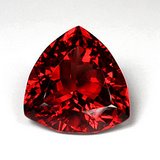
Garnet jewelry
Garnet is a group of silicate minerals that has served as a gemstone since the Bronze Age, prized for its deep red transparency and hardness. The name covers at least six related species — almandine, pyrope, spessartine, grossular, andradite, and uvarovite — sharing a common crystal structure but differing in chemistry and color. While the classic pomegranate red is most familiar, garnet also occurs in orange, green (tsavorite and demantoid), yellow, pink, purple, and rare color-change varieties. Its combination of durability, clarity, and saturated color makes it a staple for everyday sterling silver jewelry.
Origin and Key Garnet Properties
Garnet deposits are documented across every continent. Historically, Bohemian pyrope from the Czech Republic supplied the Victorian jewelry trade, while almandine has been mined in India, Sri Lanka, and Brazil for centuries. Today, significant sources include Madagascar (rhodolite and the rare blue color-change garnet found in Bekily in the late 1990s), Kenya and Tanzania (tsavorite), Namibia and Nigeria (spessartine), the Ural Mountains in Russia (demantoid), and the United States, where Arizona produces pyrope and Idaho yields star almandine.
Garnet rates 6.5 to 7.5 on the Mohs scale depending on species — almandine sits near 7.5, while andradite runs slightly softer. The general chemical formula is X3Y2(SiO4)3, where X and Y positions hold calcium, magnesium, iron, aluminum, chromium, or manganese. Most gem-quality garnet is transparent to translucent with a vitreous luster and a refractive index between 1.72 and 1.94. Demantoid shows dispersion higher than diamond, which explains its fire.
Unlike many colored gems, garnet is almost never treated. The red varieties on the market are natural in color, untreated by heat or irradiation. Some demantoid is heated at low temperatures to improve clarity, and certain fracture-filled stones exist in the trade, but standard almandine, pyrope, and rhodolite garnets are sold in their natural state. Always ask your seller to disclose any treatment.
Garnet in Sterling Silver Jewelry
Faceted cuts dominate garnet jewelry — round brilliants, ovals, cushions, and pears bring out the stone's clarity and deep color. Cabochon cuts suit opaque or heavily included material and produce a softer, rounded dome popular in vintage-style settings. Raw and rough-cut garnet appears in artisan pieces where the crystal form itself is the point. At SilverRush Style, most garnet jewelry sits in the $25–$120 range, with statement rings and multi-stone pendants running higher.
Sterling silver (.925) works well with garnet because the cool gray-white metal sharpens the red tones without competing for attention. Silver prongs and bezels also let light enter faceted stones from multiple angles, which matters for a gem with garnet's refractive index. The pairing keeps pieces affordable while giving the stone a setting hard enough to protect it during daily wear.
Care and Cleaning
Clean garnet with warm water, mild dish soap, and a soft brush. Avoid ultrasonic and steam cleaners if the stone has any fractures or has been filled. Keep garnet away from bleach, acetone, and abrasive household cleaners, and store pieces separately in a soft pouch so harder stones like sapphire or topaz don't scratch the surface. Prolonged sun exposure won't fade garnet, but heat shock from sudden temperature changes can cause fracturing.
Frequently Asked Questions
Is garnet a birthstone?
Garnet is the official birthstone for January and the traditional gift for the 2nd wedding anniversary. The red varieties — almandine, pyrope, and rhodolite — are most commonly used for January birthstone jewelry.
Is garnet hard enough for everyday rings?
Yes. With a Mohs hardness of 6.5 to 7.5, garnet handles daily wear in rings, pendants, and earrings. For rings worn every day, a bezel or protective prong setting helps guard the stone against knocks on hard surfaces.
What's the difference between garnet and ruby?
Ruby is a variety of corundum (Mohs 9) colored by chromium, while garnet is a silicate mineral group (Mohs 6.5–7.5). Ruby typically shows a pure red or slightly pink-red, while garnet red often leans toward brownish, orange, or purple-red. Ruby also commands a much higher price per carat.
Are all garnets red?
No. Garnet occurs in nearly every color except pure blue under daylight. Green tsavorite and demantoid, orange spessartine (mandarin garnet), pink rhodolite, and yellow grossular are all natural, untreated garnet varieties.
Talk to Our Jewelry Experts
Monday to Friday from 9AM to 5PM EST
