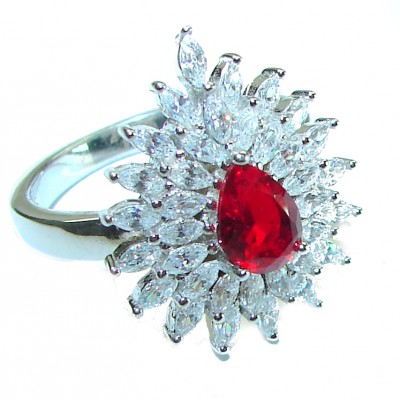


 NECKLACES

 Shop now, pay later All Bracelets & Necklaces 96% OFF + All Rings 96% OFF
 Carnelian
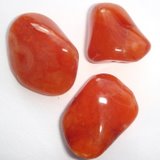
Carnelian jewelry
Carnelian is a translucent orange-to-red variety of chalcedony, a microcrystalline form of quartz (SiO₂) colored by iron oxide impurities. Its tones run from pale peach through deep brick-red and occasionally into brownish-red territory that overlaps with sard, a closely related and typically darker chalcedony. The stone has been cut and polished for more than four thousand years, valued for its warm color and even texture that takes a high polish without fracturing.
Carnelian Origin and Key Properties
Commercially significant carnelian comes from India (particularly the Deccan Traps basalts of Gujarat, where the Ratnapur deposits have been worked since antiquity), Brazil, Uruguay, Madagascar, and parts of Germany. Archaeological specimens have been recovered from Bronze Age Minoan layers at Knossos on Crete dating to around 1800 BC, and the stone was a staple of Roman signet rings used to press wax seals. The name traces to the Latin caro, carnis (flesh), referring to the color.
Carnelian registers 6.5 to 7 on the Mohs scale, with a specific gravity of 2.58 to 2.64 and a waxy to vitreous luster. Because it is cryptocrystalline, it lacks visible grain and shows no cleavage, breaking with a conchoural fracture instead. Transparency ranges from translucent to nearly opaque. The defining color comes from iron oxide (hematite and limonite) distributed through the silica matrix.
Honesty on treatments: most commercial carnelian on the market is heat-treated, and a large portion is actually dyed and heated agate or pale chalcedony from Brazil and Uruguay. Heating converts iron compounds into a redder, more saturated tone and is stable, permanent, and accepted in the trade. Untreated material exists but is less common and usually paler. We disclose treatments when known.
Carnelian in Sterling Silver Jewelry
Carnelian is most often cut as cabochons — oval, round, cushion, and teardrop shapes that show off the internal glow and banded color zoning. Faceted carnelian exists in rings and earrings when clarity permits, and tumbled or free-form pieces turn up in pendants and beaded necklaces. The stone's 6.5–7 hardness makes it workable for everyday rings, bracelets, and pendants without the fragility of softer gems. Browse our full selection of carnelian jewelry for current styles.
Sterling silver (.925) pairs well with carnelian because the cool white metal sharpens the warm orange and red tones instead of competing with them, as yellow gold can. Bezel and prong settings in silver are also more affordable, which keeps prices reasonable: most SilverRush Style carnelian pieces fall between $30 and $150, with statement rings and multi-stone necklaces reaching higher.
Care and Cleaning
Clean carnelian with warm water, mild soap, and a soft brush or cloth. Avoid ultrasonic and steam cleaners, which can aggravate internal fractures, and keep the stone away from bleach, acetone, and other harsh chemicals. Prolonged direct sunlight may fade dyed or heat-treated material, so store pieces in a fabric-lined box or pouch separate from harder stones that could scratch them.
Frequently Asked Questions
Is carnelian a real gemstone?
Yes. Carnelian is a natural semi-precious gemstone and a recognized variety of chalcedony quartz. It has been used in jewelry and seal carving for at least four millennia and is graded by color saturation, clarity, and freedom from cracks.
What is the difference between carnelian and sard?
Both are iron-colored chalcedonies. Carnelian tends toward lighter orange-red tones, while sard is darker and browner, often approaching mahogany. Sard is also generally a touch harder. The boundary is not strictly defined, and the two names are frequently used interchangeably in the trade.
Is carnelian usually treated?
Most carnelian sold today is heat-treated to deepen the red-orange color, and a significant amount of material marketed as carnelian is dyed agate. Heat treatment is stable and permanent. Untreated natural carnelian is available but tends to be paler and less uniform.
Can carnelian be worn every day?
Yes. At 6.5–7 on the Mohs scale, carnelian holds up to regular wear in rings, earrings, pendants, and bracelets. Remove pieces before heavy physical work, swimming in chlorinated water, or using cleaning chemicals to prevent surface damage and fading.
Talk to Our Jewelry Experts
Monday to Friday from 9AM to 5PM EST
Recently Viewed